

Muha Meds 3 g Vape Cartridges: Composition, Testing, and Compliance Overview
Introduction
The vaping market continues to evolve toward higher-capacity devices and improved formulation control. Among these, Muha Meds 3 g cartridges have drawn attention for their large fill volume, design efficiency, and focus on laboratory-verified production standards.
This article examines the materials, performance characteristics, testing procedures, and regulatory expectations associated with 3-gram vape cartridges—helping researchers, manufacturers, and regulators understand how such products fit within modern compliance frameworks.
Informational Section: What Is a 3-Gram Vape Cartridge?
A 3 g cartridge is a vaporization container capable of holding approximately 3 mL of liquid formulation.
These cartridges are often used for nicotine, hemp-derived CBD, or botanical terpene formulations, depending on jurisdictional law.
| Parameter | Typical Specification | Scientific Notes |
|---|---|---|
| Volume | 3 mL (≈3 g liquid) | Large-capacity design for extended use |
| Heating element | Ceramic or mesh coil | Promotes even vaporization |
| Casing material | Borosilicate glass / stainless steel | Chemically inert and heat-resistant |
| Viscosity range | 60–90 cP | Supports medium-to-thick formulations |
| Thread type | Standard 510 connection | Universally compatible with many batteries |
This structure allows efficient vaporization and reduced leakage, provided all components meet international material-safety standards (RoHS, ISO 10993).
Navigational Section: Laboratory Testing and Quality Assurance
Scientific testing ensures cartridges perform safely and consistently. Laboratories generally apply the following assessments:
- Material Compatibility Testing
- Verifies that metals, seals, and ceramics do not leach into the formulation.
- Methods: ICP-MS and GC-MS screening for heavy metals or volatile residues.
- Thermal Stability Studies
- Determines safe temperature ranges for the heating element.
- Prevents decomposition of carrier solvents (e.g., propylene glycol, vegetable glycerin).
- Aerosol Particle-Size Distribution
- Conducted via laser diffraction analysis.
- Ensures uniform aerosol formation and minimizes respiratory irritation.
- Emissions Profiling
- Analyzes vapor output for carbonyl compounds and other by-products.
- Confirms compliance with clean-air and workplace exposure guidelines.
- Packaging Integrity Testing
- Validates tamper resistance, leakage prevention, and labeling durability.
Such testing helps research facilities and regulatory agencies document performance under simulated real-use conditions, ensuring consumer safety.
Commercial Section: Manufacturing and Supply Chain Standards
Muha Meds-style cartridges—like any 3 g vaporization hardware—should be produced under Good Manufacturing Practice (GMP) conditions.
Key standards include:
- ISO 9001:2015 quality-management systems
- ISO 13485 for medical-device-grade components when applicable
- RoHS / REACH compliance for materials safety
- Child-resistant and tamper-evident packaging per regulatory requirements
Responsible suppliers provide:
- Full Material Safety Data Sheets (MSDS)
- Batch traceability and lot-specific testing results
- Certificates of Analysis (CoA) verifying heavy-metal and emissions compliance
Commercial buyers—such as laboratory procurement officers or product formulators—should always verify documentation before purchase to remain compliant with national trade and consumer-safety laws.
Transactional Section: Safe and Compliant Procurement
Institutions sourcing 3 g vape-hardware or formulation-testing equipment should work only with licensed, transparent vendors.
Recommended procurement steps:
- Confirm Vendor Credentials – Ensure registration with appropriate local authorities or customs agencies.
- Request Analytical Documentation – Require third-party lab testing confirming materials meet purity and emissions standards.
- Use Secure Logistics Channels – Ship through carriers authorized for lithium-battery or hazardous-goods handling if applicable.
- Maintain Chain-of-Custody Records – Record every transfer to support audit readiness.
Following these steps keeps acquisition fully legal and auditable for laboratories, quality-assurance departments, and government contractors.
Health, Safety, and Environmental Practices
Although 3 g cartridges themselves are non-toxic when unused, improper handling or disposal can pose environmental issues.
Compliance programs should include:
- Proper e-waste disposal for spent devices
- Ventilation standards for vapor-testing environments
- Worker PPE protocols (nitrile gloves, fume extraction, respirators)
- Waste-segregation logs aligned with EPA or local environmental-agency rules
Sustainability initiatives—such as recyclable cartridge housings and biodegradable packaging—are becoming key differentiators among responsible manufacturers.
Regulatory Context
United States
- The FDA’s Center for Tobacco Products regulates nicotine-containing devices.
- Hemp-derived or botanical formulations must comply with the 2018 Farm Bill and state-specific CBD rules.
- Labeling and marketing must avoid unverified therapeutic claims.
European Union
- The Tobacco Products Directive (TPD 2014/40/EU) limits nicotine concentration and mandates safety notifications.
- Non-nicotine herbal formulations fall under General Product Safety directives.
Asia-Pacific & Global
- Varying regulations; importers should check customs chemical-classification codes and product-testing documentation before shipment.
Understanding these frameworks allows manufacturers and research institutions to navigate compliance efficiently and avoid legal complications.
Conclusion
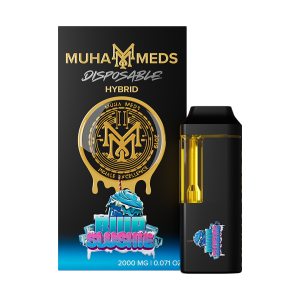
The Muha Meds 3 g cartridge exemplifies the modern trend toward larger-capacity, lab-verified vape hardware designed for consistent performance and rigorous quality control.
By prioritizing materials safety, emissions testing, and transparent documentation, researchers and manufacturers can ensure every cartridge aligns with both scientific integrity and regulatory responsibility.
As global standards tighten, the focus on traceable sourcing, certified testing, and environmental stewardship will define the next phase of advancement in vaporization technology.
Table: Comparison of 1 g, 2 g, and 3 g Vape Cartridge Specifications
| Parameter | 1 g Cartridge | 2 g Cartridge | 3 g Cartridge (e.g., Muha Meds 3 g) | Regulatory/Technical Notes |
|---|---|---|---|---|
| Volume Capacity | ~1 mL | ~2 mL | ~3 mL | Larger fill = longer use; requires stronger seals |
| Heating Coil Type | Standard ceramic | Upgraded ceramic or mesh | Mesh or porous ceramic | Even heating reduces carbonyl emissions |
| Material Composition | Glass + alloy tip | Glass or stainless | Borosilicate glass, food-grade steel | Must meet RoHS/REACH chemical-safety standards |
| Thread Type | 510 universal | 510 universal | 510 universal | Interoperability across devices |
| Recommended Viscosity Range | 50–80 cP | 60–85 cP | 70–90 cP | Higher volume suits thicker formulations |
| Average Lifespan (puffs) | 200–300 | 400–600 | 700–900 + | Based on liquid volume and coil efficiency |
| Emissions Testing Requirement | Yes (carbonyls, metals) | Yes | Yes (extended thermal test) | Required for consumer-safety compliance |
| Labeling & Packaging | Child-resistant cap | Tamper-evident | Child-resistant, tamper-evident | Regulated under FDA / TPD standards |
| Primary Market Segment | Consumer sampling | Mid-range retail | Research, high-volume, industrial testing | Institutional buyers need full CoA and traceability |




Reviews
There are no reviews yet.